Teeth Straightening with Braces: Options and Everyday Care
Teeth straightening can improve alignment and bite function. The likely benefits, limitations and care needed depend on your teeth, gums and treatment plan.
Short Answer
Short Answer
Teeth straightening uses orthodontic appliances to change tooth positions and address alignment or bite concerns. Braces apply pressure through brackets and wires while the surrounding bone adapts. Treatment can improve alignment and function, but suitability and outcomes vary. Your orthodontist should explain the benefits, risks and alternatives for your case.[1][2]
Understanding Teeth Straightening and Orthodontic Braces
Teeth straightening addresses malocclusion, which is an irregular relationship between the upper and lower dental arches. Fixed braces serve as a primary clinical method to correct these dental alignment concerns, shifting teeth gradually through controlled pressure into functional, balanced relationships.[1][2]
Defining Malocclusion and Alignment Needs
An uneven bite can involve crowded teeth, gaps, crossbites, overbites or underbites. The concern may involve tooth positions, jaw relationships or both. An orthodontist assesses how your teeth meet and discusses which changes are feasible, along with the likely benefits and limitations of treatment.[1][2]
How Fixed Braces Direct Tooth Movement
Fixed braces use brackets attached to teeth and connected by a wire. The system applies pressure to guide movement while the surrounding bone changes. The orthodontist monitors progress and adjusts treatment as needed; tooth movement and the final result vary between patients.[1][3]
Clinical Factors Behind Tooth Misalignment
Orthodontic misalignment arises from multiple developmental and physical factors that influence jaw size and dental eruption. Evaluating these underlying causes helps clinicians determine the appropriate timing and therapeutic approach for orthodontic braces to correct bite function and oral stability.[1][2]
Genetic and Developmental Influences
Discrepancies between jaw size and tooth size frequently stem from inherited genetic traits, resulting in overcrowded dental arches or widespread spacing. Developmental events, such as premature loss of baby teeth or persistent childhood oral habits like thumb sucking, can also disrupt normal permanent tooth eruption and alter jaw growth.[1][2]
Oral Health Risks of Untreated Malocclusion
Crowded or overlapping teeth can make some areas harder to clean. Bite problems can also affect chewing or tooth wear, but these concerns differ between patients. An examination can identify the problem and appropriate options; straightening teeth does not replace daily cleaning and dental care.[2]

Recognizing Signs That Indicate an Orthodontic Need
Identifying the signs of malocclusion early allows patients and families to seek timely orthodontic guidance. Evaluating functional issues alongside visible crowding helps determine when starting braces provides the greatest benefit for oral health and jaw development.[1][2]
Functional and Visual Indicators for Evaluation
Overlapping teeth, persistent gaps or concerns about how your teeth meet are reasons to discuss an assessment. Tell the orthodontist about chewing difficulties or other symptoms. An evaluation helps determine whether treatment is appropriate and when to consider it.[1][2]
The Orthodontic Assessment Process
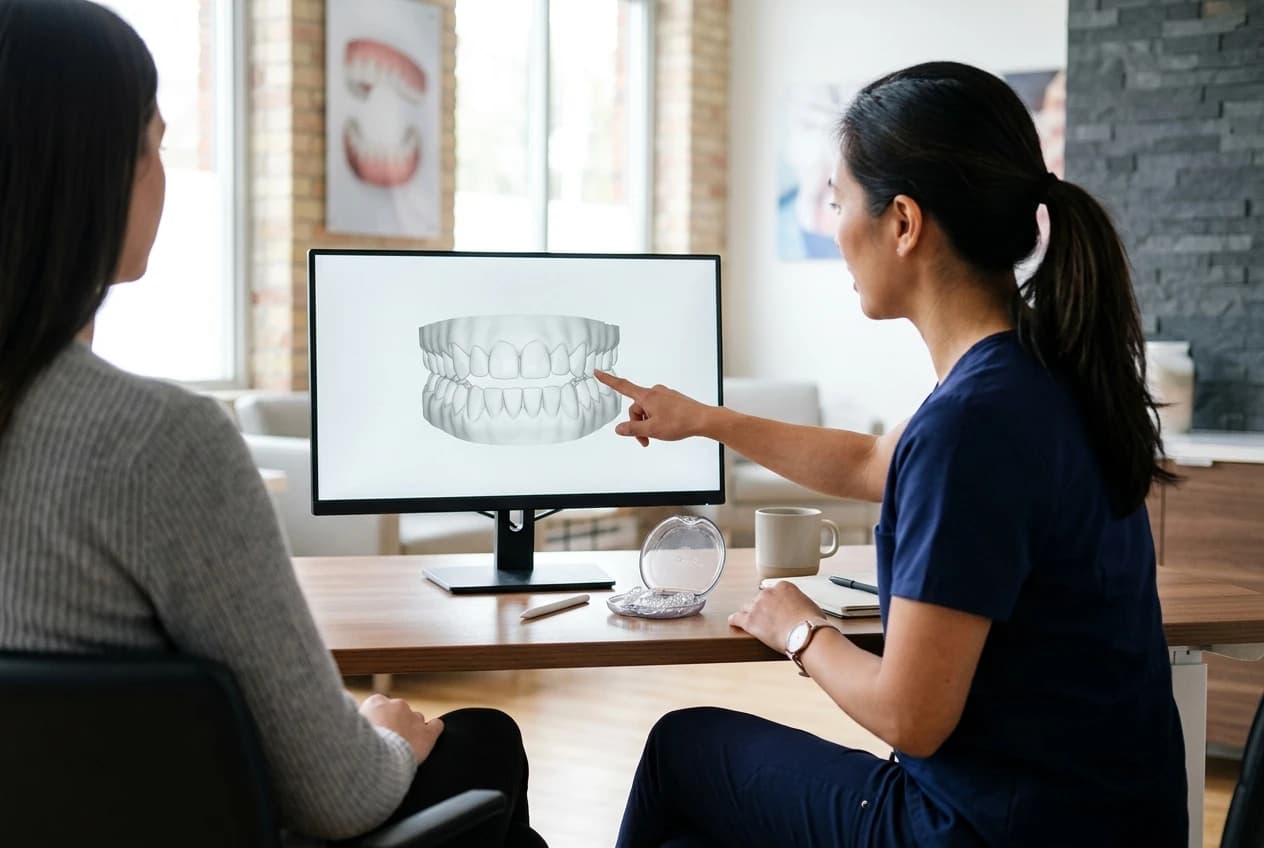
An orthodontic assessment considers the teeth, gums, bite and jaw relationships before treatment begins. The clinician reviews your health and dental history and decides which photographs, scans or X-rays are needed. These records help explain suitable options and any dental care needed first.[1][2]
Diagnostic Records and Coordinated Care
Before braces, have a general dental examination and complete any treatment for decay or gum problems that your dental team recommends. A cleaning alone does not treat every condition. Your orthodontist decides which diagnostic records are needed, and you should continue dental checkups and cleanings during treatment.[1][4]
Orthodontic Appliance Systems and Approaches
Modern orthodontics offers multiple appliance systems designed to straighten teeth effectively. Each system presents distinct clinical mechanisms and lifestyle considerations, allowing patients and practitioners to choose an approach that aligns with specific anatomical needs and treatment goals.[1][3]
Fixed Braces Variations
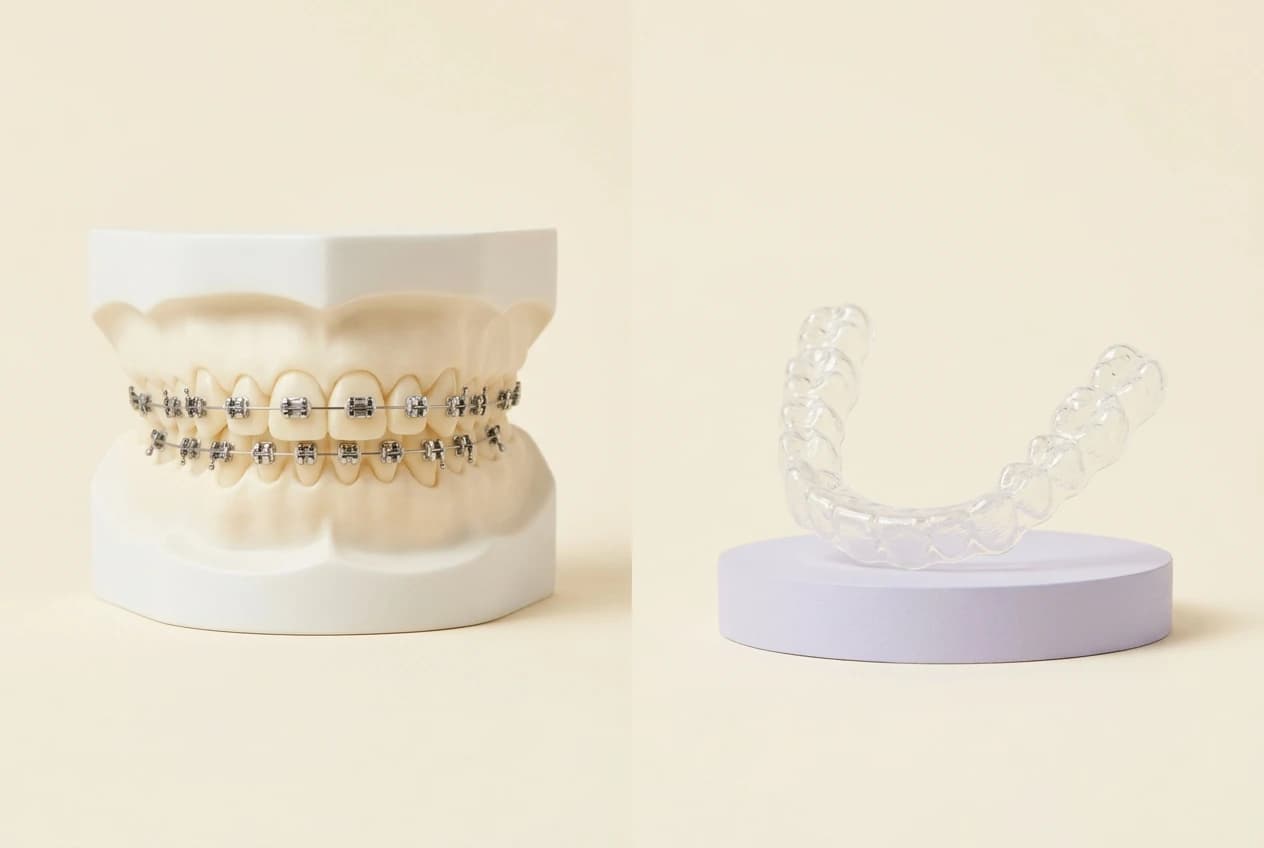
Metal braces use brackets and wires to guide planned tooth movements. Ceramic braces use less conspicuous brackets and may suit some patients. Appliance choice depends on the required movements, bite, oral health and preferences. Significant jaw differences may require additional treatment beyond braces alone.[1][3]
Braces Compared with Clear Aligners
Clear aligners can be removed for meals and cleaning, while fixed braces stay attached. Both require appointments and daily care. The orthodontist compares the movements each approach can achieve in your case and explains how wear habits, cleaning and other treatment needs affect the choice.[3]
How Braces Move Teeth Over Time
Braces apply pressure that gradually changes tooth positions as the surrounding bone responds. Movement takes time, and your orthodontist monitors progress rather than relying on the appliance alone.[1]
Pressure and Changes in Supporting Bone
The pressure from braces works with changes in the bone around the teeth to allow movement. The appliance and treatment plan guide the intended changes. Ask your orthodontist how movement will be monitored and which instructions apply to your braces.[1]
Periodic Archwire Adjustments
Your orthodontist sets the adjustment schedule according to your appliance and treatment stage. Keep scheduled visits and follow instructions for any elastics or other components. Contact the team between visits if something breaks or feels wrong.[4]

Daily Management and Long-Term Retention
Daily hygiene, appliance care and dental visits remain important during braces treatment. After active movement, retainers help reduce unwanted shifting. Follow the wear and maintenance instructions your orthodontist provides.[1][4]
Dietary Modifications and Hygiene Practices
Clean carefully around brackets and wires using fluoride toothpaste and the tools your dental team recommends. Brush at least twice daily and follow your orthodontist’s advice about cleaning after meals. Avoid foods likely to damage braces. These habits help reduce plaque buildup and appliance problems.[1][4]
- Avoid hard items like ice and nuts that can dislodge bonded brackets
- Eliminate sticky candies and chewing gums that bend active archwires
- Use floss threaders or interdental brushes to clean beneath wires daily
- Continue visiting a general dentist for regular cleanings and checkups
Retention and Long-Term Stability
Teeth can move after braces are removed. Retainers help hold the new positions, and your orthodontist will explain the type and wear schedule suitable for you. Report a lost, broken or poorly fitting retainer promptly. Retention reduces unwanted movement but cannot promise that teeth will never shift.[1][4]
Managing Treatment Considerations and Next Steps
Braces require ongoing care and carry risks as well as benefits. Discomfort, appliance breakage and difficulties keeping teeth clean should be discussed with the orthodontic team. Ask about risks relevant to your teeth and gums and when a problem needs attention before the next routine visit.[4][5]
Handling Discomfort and Planning Care
Temporary soreness or irritation can follow fitting or adjustment. Soft foods and orthodontic wax may help with minor discomfort. Contact the team for severe, persistent or worsening pain or if something feels broken. Ask your clinician or pharmacist about suitable pain relief rather than choosing a medicine from an article.[4][5]
Sources
- Braces — American Dental Association
- More Than Aesthetics: The Comprehensive Benefits of Straight Teeth — American Association of Orthodontists
- Aligners vs. Braces: A Comparison — American Association of Orthodontists
- Living With Braces: The Brace-Faced Adventure — American Association of Orthodontists
- What is an Orthodontic Emergency and How Do You Handle Them? — American Association of Orthodontists
Common questions
Frequently asked questions
Contact your treating orthodontist promptly if a bracket becomes loose. A visit may be needed to reattach it. Avoid pulling at the bracket or attempting repairs with household tools or glue; ask the team what to do until your appointment.[5]
Start your smile journey with PhD Orthodontics
Schedule a consultation with PhD Orthodontics to discuss your smile goals, learn how braces or aligners fit your lifestyle, and receive an individualized assessment from our orthodontic team.